

















Overview
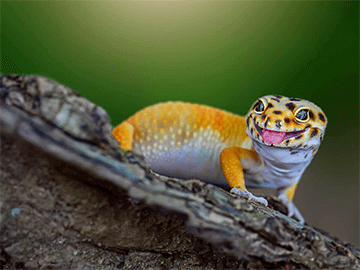
Scientific Name: Eublepharis Macularius
Common Name: Leopard Gecko
Average Lifespan: 16-20+ Years
Adult Size: 8-12 inches
Origin: Afghanistan, Pakistan, Northwestern India and Iran
Description:
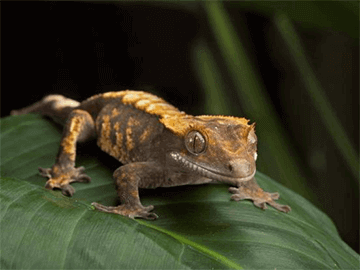
Leopard Geckos are one of the most hardy geckos around. Many enthusiasts have had great success in breeding and keeping Leopard Geckos, making them a great choice for beginners and experts alike.
Leopard Geckos are nocturnal which means they are most active at night however; they will wander around now and again during the day just to see what’s going on.
Housing:
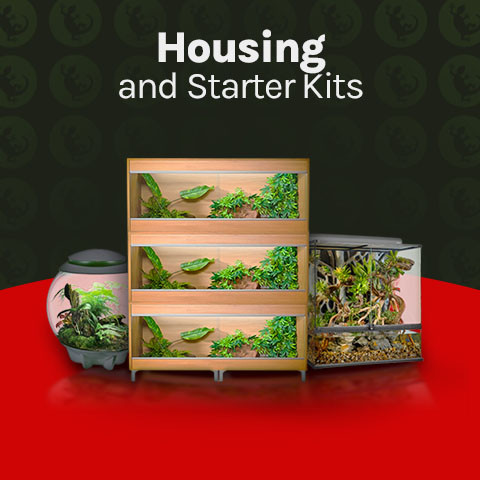
For 2-3 Leopard Geckos a 15-20 gallon tank would be fine. However, as males don't get along there should only be one per tank. If you are planning on keeping males and females together theres a high chance they will produce offspring so only do this if your prepared to deal with the offspring. You should also provide some hide areas with branches and logs.
A damp hide box should be available at all times to help with shedding (a plastic container with a hole in the lid, with moist soil or moss inside).
Lighting:
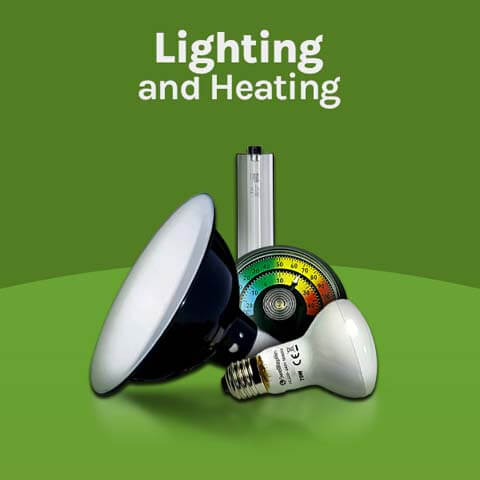
As Leopard Geckos are nocturnal they require no special UV lighting. A normal incandescent bulb could be used to provide a basking spot. Leopard Geckos prefer more dimmer conditions (due to being nocturnal) so a red bulb like the
Zoo Med Nightlight Red Bulb would be the best choice.
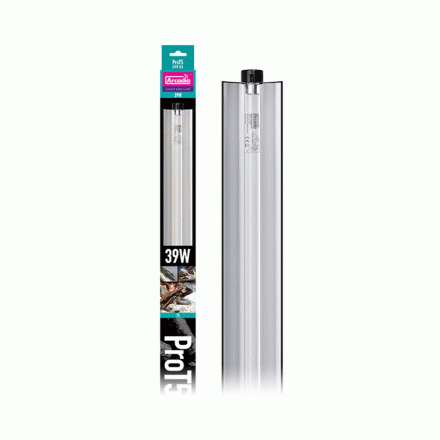
However, even though Leopard Geckos don't require any special UV lighting, I believe that its beneficial to provide a UVB light like the
Exo Terra Repti Glo 10.0 and
Exo Terra Repti Glo 2.0 for Leopard Geckos as in the wild they would be exposed to natural UVB rays from sun light. I've provided UVB lighting for my Leopard Geckos on a 8 hour on | 16 hour off system for the past 2 years, and have noticed my Geckos have become more active and colourful since providing them with the UVB lighting.
Heating:
Basking Spot Temperature: Basking spot of around 32°C
Daytime Temperature: The ambient temperature of 27°C - With a cool area of around 22°C
Night Temperature: Around 25°C (Make sure this doesn't drop below 19.6°C)
Substrate:
Young leopard geckos shouldn't be kept on sand, as they may ingest it and suffer an intestinal blockage. Newspaper / kitchen roll is absorbent and easy to change and is the best substrate for young leopard geckos.
Try not to use wood shavings as this can cause health problems.
Note: If you use sand (inc Calci-sand) make sure it is not being ingested along with the gecko's meals (A little amount is ok though).
Food:
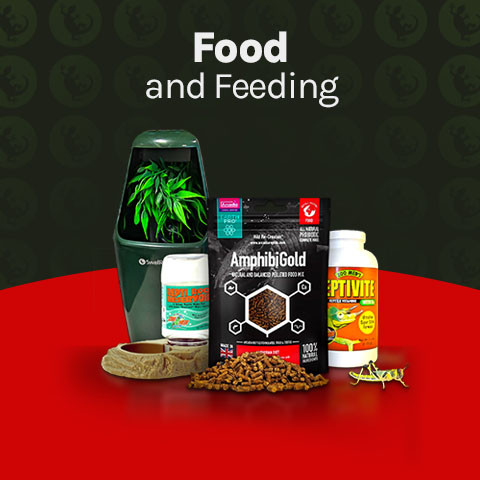
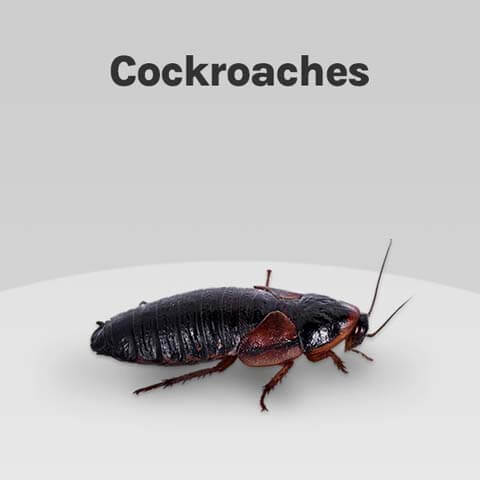
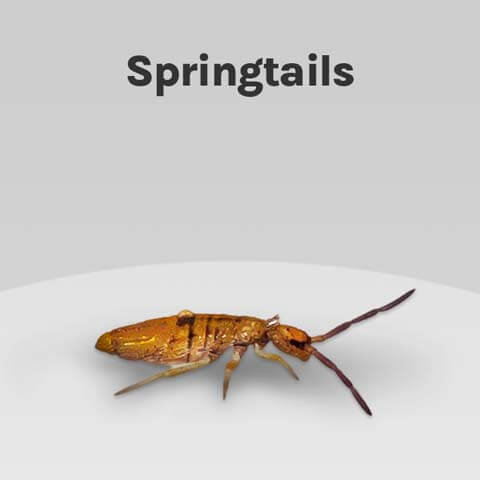
Leopard geckos are primarily insectivorous so feed a variety of crickets, waxworms and mealworms. Insects must be gut loaded at least 24 hours prior to feeding, a high quality fish food or
Bug Grub would be perfect.
Before feeding your Leopard Geckos the crickets or mealworms etc should be coated with a calcium supplement like
Nutrobal (every feeding for young lizards, every other feeding for adults). Feed juveniles daily, adults can be fed every other day.
Water:
A shallow dish of water should be provided, and cleaned daily. Its also recommended that you treat the water with
Zoo Med’s ReptiSafe Water Conditioner
Maintenance:
Any debris, dead crickets and feces should be removed from the vivarium on a daily basis.
Leopard Geckos are very clean lizards and will choose one area for the toilet, folded kitchen roll can be placed in the toilet area and replaced on a daily basis.
Handling:
Leopard geckos should be handed gently and never by the tail, they are easily broken off. The tails will grow back, however, are unlikely to look like the original.
How do I know if my leopard gecko is healthy?
- Your leopard gecko should be alert when handled.
- There tails should be full and plump (not dehydrated).
- There bodies should be reasonably plump (bones should not be visible).
- There stomachs should be rounded/full, but not distended (unless it is a gravid female) or showing signs of internal bleeding/bruising.
- The skin should appear healthy and without mites and/or ticks.
- There eyes should be bright and clear.
- There toes should be without unshed skin, bleeding, swelling or signs of infection.
- The vent area should be clean and without prolapsed organs.
- There faeces should be solid, black/brown, with whitish urate (diarrhea/odd coloured stools indicate a problem).
Shopping List:
Heating:
Housing:
Substrate:
Food:
Maintenance:
Lighting:
Starter Kit(s):
Other: